Strategic thinking on AI adoption, resource allocation, and leading through technological transformation.

AI systems exhibit the same trap: heavy training breeds overconfidence. The more AI "knows," the more its outputs need adversarial pressure-testing before you trust them.

AI makes self-deception faster and more convincing: LLMs generate sophisticated rationalisations for beliefs you already hold, making the psychology of overconfident pitches harder to escape than ever.

AI makes number-generation effortless. That makes the human skill of knowing which numbers to interrogate (and which to discard) more valuable, not less.
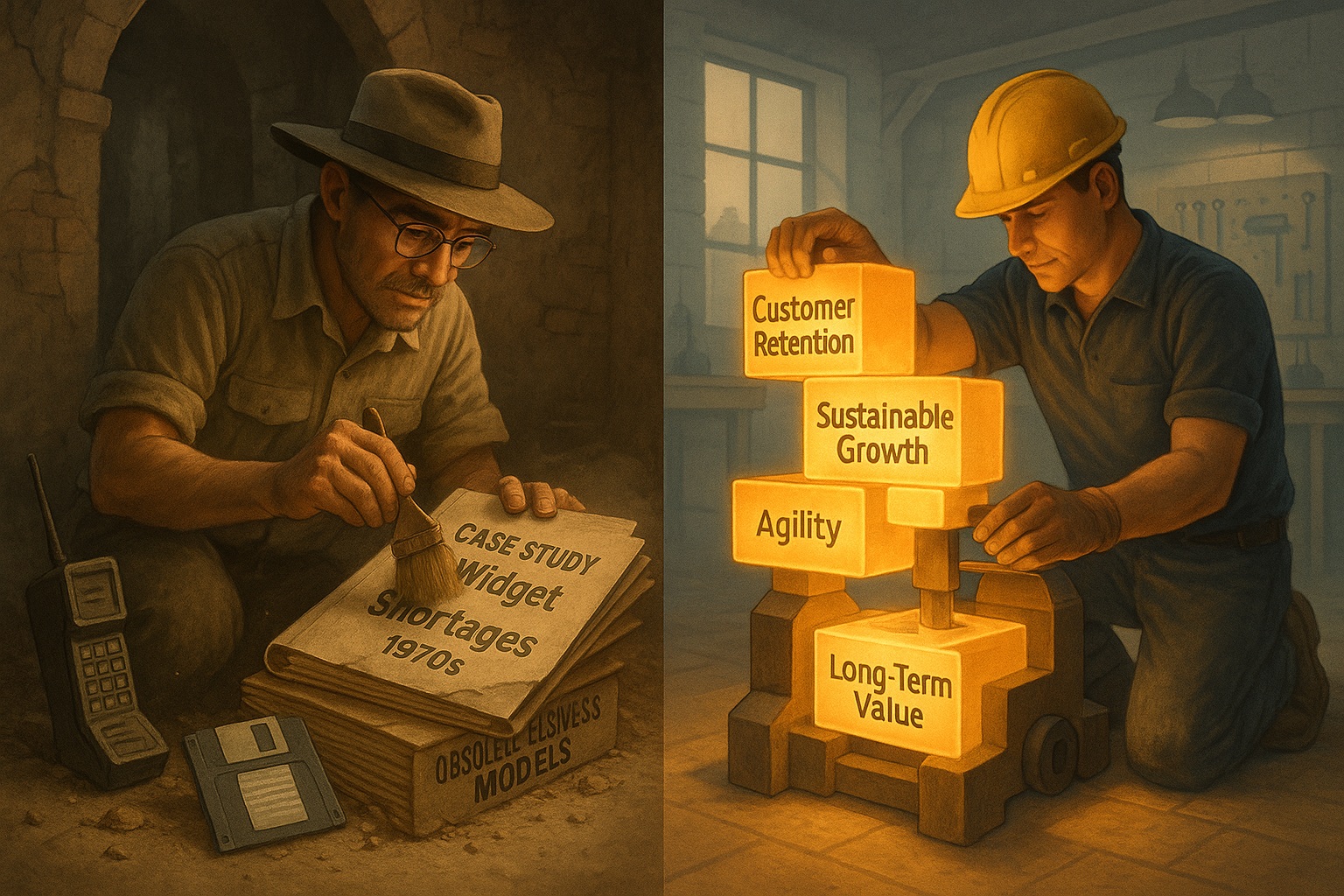
LLMs trained on MBA case studies inherit their biases, overfitting to famous success stories. Real-world principles still trump classroom theory, and now they trump AI theory too.

Market-analysis AI surfaces large TAM opportunities by default, reinforcing exactly the trap that kills early-stage businesses. Niche dominance is still the smarter bet.

AI compresses experiment cycles dramatically. But framing the right question (the elegant part) remains the irreducible human edge that not knowing gives you.

AI-powered hiring tools make external recruitment faster and cheaper. That makes internal cultivation even more differentiated, and the gardener's patience even rarer.

AI transcription and summaries reduce meeting friction, which risks making coordination theatre more palatable rather than less frequent. The tax doesn't disappear; it hides.

AI deal-screening optimises for deals that resemble past winners. The deals that would break you often look attractive to the model; judgment still has to make the final call.

Real-time AI performance dashboards accelerate praise cycles, compressing the gap between early promise and premature promotion, before leadership at scale is ever proven.

Leaders who can't relinquish control to people will become bottlenecks to AI-agent adoption too. The psychological shift is identical, and the stakes are higher.
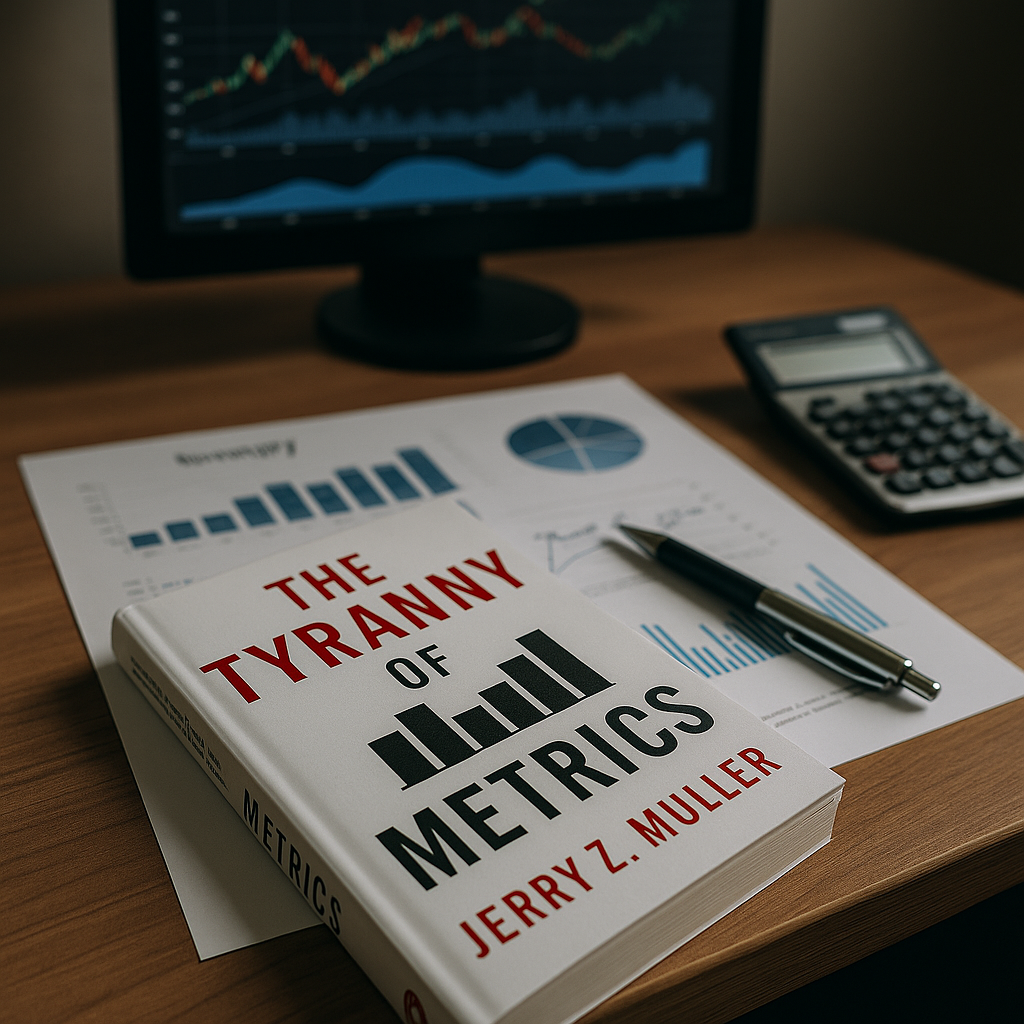
AI management tools intensify Goodhart’s Law: optimised for measurable outcomes, they make the unmeasurable (culture, judgment, trust) easier than ever to ignore.
